Blog
How To Build A Vegan Burger With Our Top Add-ons
7 Apr 2026
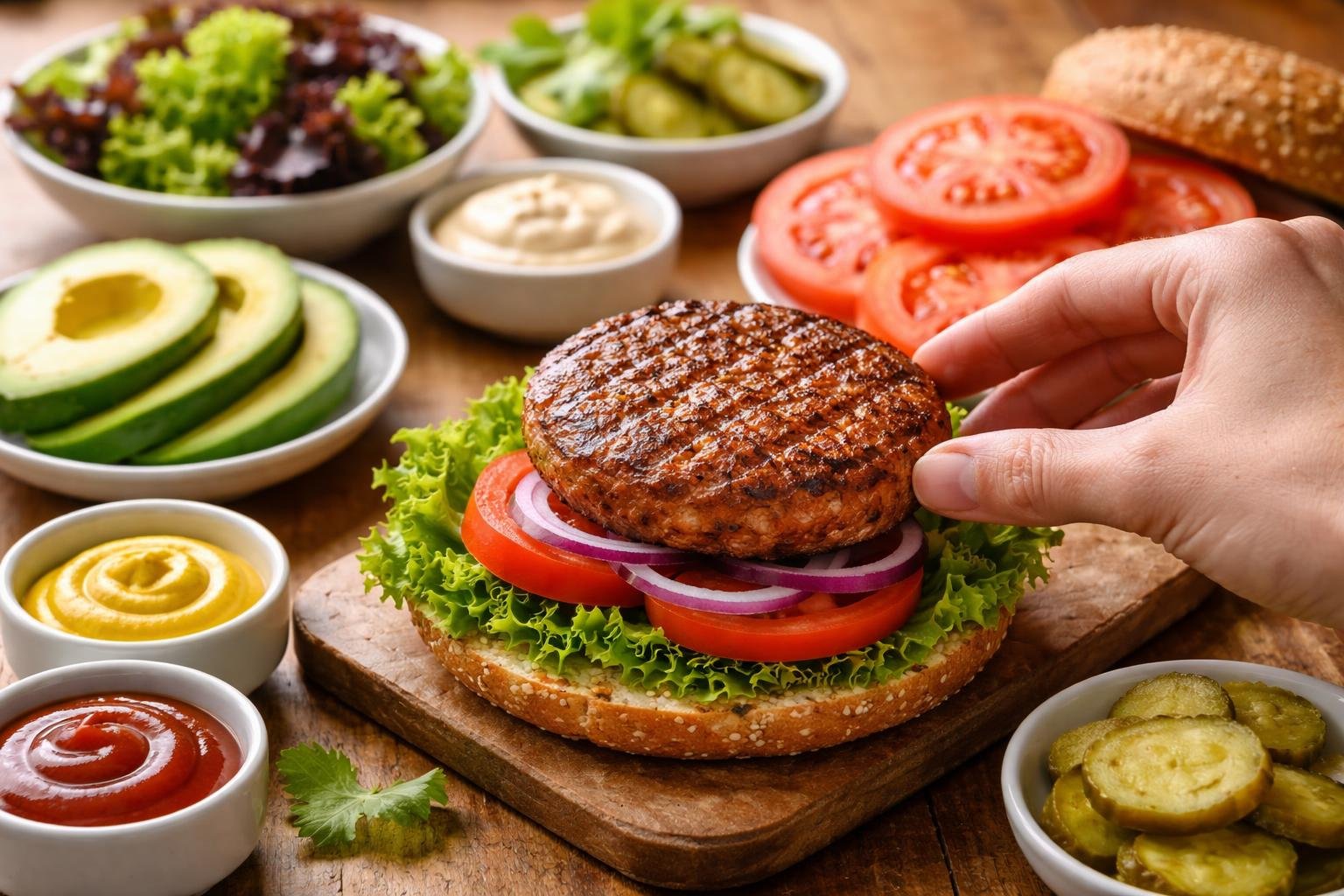
Building a vegan burger starts with choosing a solid plant-based patty and layering it with add-ons that add texture, flavor, and balance. When each layer serves a purpose, the burger feels complete and satisfying.
How To Build A Vegan Burger With Our Top Add-ons
Building a vegan burger starts with choosing a solid plant-based patty and layering it with add-ons that add texture, flavor, and balance. When each layer serves a purpose, the burger feels complete and satisfying.
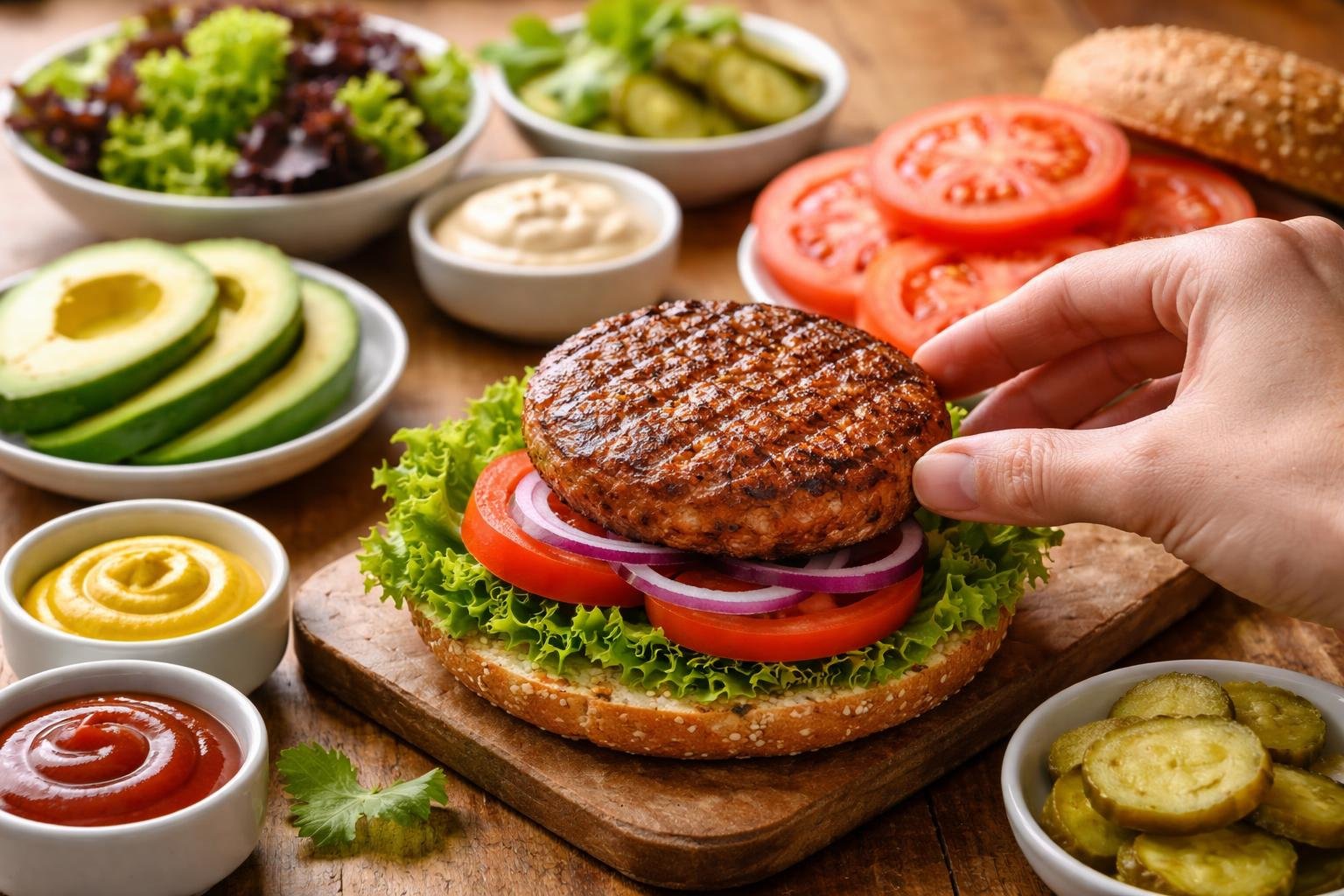
This guide walks through a clear step-by-step process for assembling the burger, from bun selection to final toppings. It also highlights top add-ons that elevate flavor without overpowering the base.
Step-by-Step Guide to Building a Vegan Burger
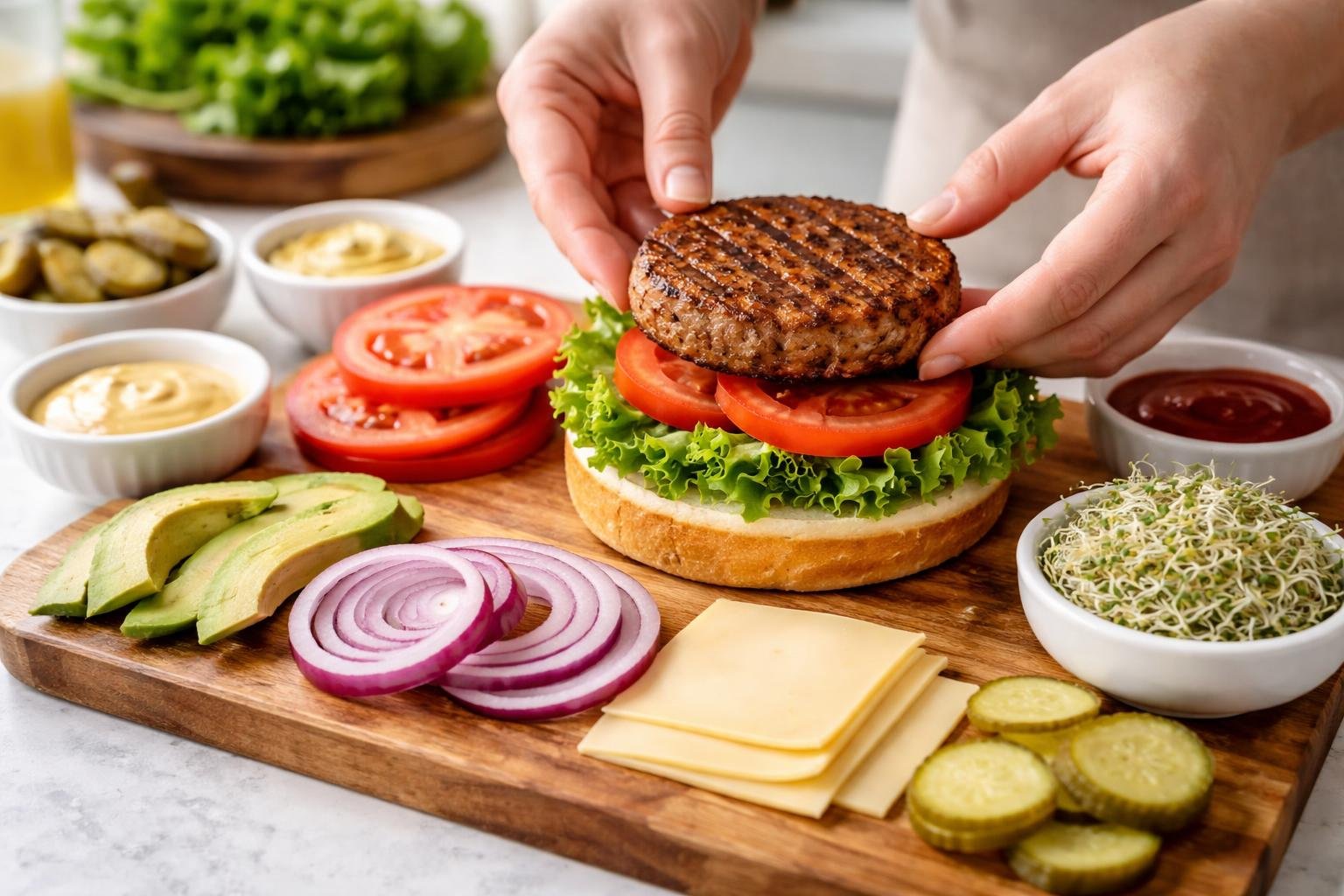
A strong vegan burger relies on structure, balanced flavor, and proper cooking technique. Each layer, from patty to toppings, affects texture, moisture, and stability.
Selecting the Perfect Vegan Patty
The patty forms the foundation, so it must hold together and deliver balanced flavor. A well-built vegan burger combines protein, binder, and texture.
Many reliable recipes use beans, grains, nuts, and vegetables for structure. For example, this homemade vegan burgers recipe explains how combining beans with grains and nuts improves texture and stability.
When choosing or making a patty, check for:
- Protein base: black beans, lentils, chickpeas, tofu, or tempeh
- Binder: oats, breadcrumbs, flax egg, or mashed sweet potato
- Texture contrast: finely chopped mushrooms, seeds, or cooked grains
The mixture should feel moist but not wet. If it sticks heavily to hands, add dry ingredients.
If it crumbles, increase the binder or chill the mixture for 30–60 minutes before shaping. Shape patties about ¾ inch thick to prevent drying out during cooking.
Choosing a Suitable Bun
The bun must support moisture without falling apart. Structure matters more than appearance.
A soft brioche-style vegan bun creates contrast with a firm patty. Whole grain buns add fiber and a slightly nutty taste.
For gluten-free options, select buns with psyllium or similar binders to improve elasticity. Before assembling, toast the cut sides lightly on a skillet or grill.
Toasting:
- Reduces sogginess
- Adds texture
- Creates a barrier against sauces
Match bun size to patty diameter. Overhang causes uneven bites and structural collapse.
If the burger includes juicy toppings or sauces, consider spreading a thin layer of vegan mayo or hummus directly on the bun. This layer acts as a moisture shield.
Assembling with Fresh Produce
Fresh produce adds crunch, acidity, and moisture control. Choose toppings with purpose rather than stacking randomly.
Effective combinations include:
- Crisp: romaine, shredded cabbage, red onion
- Juicy: tomato slices, grilled zucchini
- Acidic: pickles, pickled onions
- Rich: avocado slices
This step-by-step guide to making vegan burgers at home emphasizes controlling flavor and texture, which applies directly to topping selection.
Layer strategically:
- Bottom bun
- Sauce or spread
- Lettuce (creates moisture barrier)
- Patty
- Melted vegan cheese (if using)
- Tomato and onions
- Pickles
- Top bun
Placing lettuce under the patty helps protect the bun from juices. Slice tomatoes thin to reduce slipping.
Cooking and Preparation Tips
Cooking method affects firmness and flavor. A skillet, grill, or oven all work if heat is controlled.
For stovetop cooking:
- Preheat pan to medium heat
- Add a small amount of oil
- Cook 3–5 minutes per side
Avoid flipping repeatedly. Let the crust form before turning.
If grilling, brush patties lightly with oil to prevent sticking. Chill patties before grilling to improve firmness.
This guide to making the best vegan cheeseburgers at home explains how proper preparation improves flavor and structure.
Always allow patties to rest for a few minutes after cooking. Resting helps them firm up and reduces crumbling during assembly.
Top Add-Ons for the Ultimate Vegan Burger Experience
The right add-ons shape texture, moisture, and flavor in every bite. Thoughtful layering turns a basic plant-based patty into a balanced, satisfying meal.
Plant-Based Cheeses and Sauces
Plant-based cheese adds richness and helps bind toppings to the patty. Slices made from coconut oil or cashews melt best, while almond- or oat-based shreds create a lighter layer.
A spoonful of vegan nacho cheese delivers heat and creaminess. VegNews highlights black bean burgers topped with melty cheese, guacamole, tomato, and tortilla chips for a bold twist in these vegan burger topping ideas.
Creamy sauces round out dense patties made from beans or lentils. Popular options include:
- Vegan aioli made with garlic and lemon
- Chipotle mayo for smoky heat
- Tahini sauce for nutty depth
- Cashew queso for extra body
Spark of Soy features plant-based favorites like seitan bacon and vegan aioli in its vegan burger recipes and toppings guide.
Spread sauces on both bun halves to prevent dryness and ensure even coverage.
Creative Crunchy Toppings
Crunch defines contrast. Without it, soft buns and tender patties can feel heavy.
Fresh vegetables provide reliable texture. Thinly sliced red onion, shredded iceberg lettuce, cucumber rounds, and raw cabbage add snap without overpowering the patty.
Hash browns create a crisp, savory layer. Tasting Table suggests stacking a veggie burger with hash browns, vegan eggs, ketchup, and plant-based cheese in these underrated plant-based toppings.
For bold texture, crushed tortilla chips or fried onions work well. Some cooks even add a crunchy element specifically to boost satisfaction, as noted in these best veggie burger topping strategies.
Pat watery vegetables dry before layering to keep the bun intact.
Flavor-Boosting Condiments
Condiments adjust sweetness, acidity, and heat. They fine-tune the burger without changing its structure.
Umami-rich spreads such as miso mayo or mushroom ketchup deepen flavor in bean- or grain-based patties. Chowhound emphasizes creative upgrades beyond standard ketchup and mustard in its list of best toppings for plant-based burgers.
Sweet components like caramelized onions or a thin slice of grilled pineapple balance smoky or spicy elements. Pickled jalapeños, banana peppers, or dill pickles add acidity that cuts through fatty sauces.
Apply condiments in thin layers. Too much liquid causes slippage, while controlled amounts keep flavors sharp and distinct.
Frequently Asked Questions
What are the essential components of a well-structured vegan burger?
A structured vegan burger includes four core elements: a sturdy bun, a cohesive patty, moisture control, and layered toppings.
The patty typically combines legumes such as black beans or lentils with grains or oats for body. Many reliable recipes, including this high-protein vegan burger patty, use beans and oats to create firmness without dryness.
Moisture barriers matter. Leafy greens or a light spread on both bun halves help prevent sogginess while supporting the patty’s structure.
Which add-ons pair best with a plant-based patty for flavor and texture?
Plant-based patties benefit from contrast. Crisp lettuce, shredded cabbage, or pickled onions add crunch and acidity that balance dense bean or lentil bases.
Umami-rich toppings such as sautéed mushrooms, caramelized onions, and dairy-free cheese deepen flavor. Guidance from this vegan burger seasoning guide emphasizes layering spices and toppings to prevent blandness.
Creamy components like avocado slices or vegan aioli add fat, which improves mouthfeel and reduces perceived dryness.
What is the best binder to keep vegan burgers from falling apart?
Effective binders absorb moisture and create cohesion. Ground flaxseed mixed with water, chia seeds, mashed beans, and rolled oats are common choices.
Oats work especially well because they absorb excess liquid while reinforcing structure. Many cooks rely on combinations similar to those outlined in this homemade vegan burgers recipe, which emphasizes texture that holds during cooking.
Chilling the formed patties for at least 30 minutes before cooking further strengthens the bind.
What are the most common mistakes when making vegan burgers, and how can they be avoided?
Overprocessing the mixture creates a paste-like texture. Pulse ingredients briefly and leave some visible pieces for bite.
Excess moisture leads to fragile patties. Sauté watery vegetables such as mushrooms or zucchini before mixing them into the base.
Skipping seasoning also weakens results. Balanced salt, acid, and spices transform a basic bean mixture into a flavorful patty, as highlighted in this guide to making a vegan burger meat-eaters will love.
How can you build a vegan burger that stays juicy instead of dry or crumbly?
Juiciness starts inside the patty. Ingredients such as finely chopped mushrooms, grated beets, or cooked onions release moisture during cooking.
Healthy fats improve texture. A small amount of olive oil, tahini, or mashed avocado incorporated into the mix prevents dryness.
Proper cooking also matters. Medium heat allows the exterior to brown while the interior stays tender, a method often emphasized in detailed guides like this vegan burger from scratch tutorial.
What does the 5-6-7 burger rule mean, and how can it be applied to vegan burgers?
The 5-6-7 burger rule typically refers to cooking times for beef burgers based on doneness.
Vegan burgers do not rely on internal temperature for safety, but timing still affects texture.
They can adapt the concept by cooking patties about 5–7 minutes per side over medium heat, depending on thickness.
The goal is firm edges and a heated center without over-drying.
Consistent thickness and moderate heat ensure even cooking, especially for patties built from beans, grains, and vegetables rather than meat.
For more, explore our featured dish page and customer favourites.